
What makes a trade show booth effective today?
The most effective trade show booths today do three things:
- Capture attention within seconds
- Communicate complex ideas visually
- Create an interactive experience that drives engagement
Attendees move quickly, often deciding in just a few seconds whether to stop or keep walking. That means booths must immediately communicate value, not just display products.
In this article, we break down how trade show booths have evolved and how immersive experiences are changing the way companies engage buyers.
What is an immersive trade show booth?
An immersive trade show booth is a physical exhibit enhanced with digital elements such as interactive displays, large-scale visuals, or virtual environments that allow attendees to explore a product or brand in a hands-on way.
These booths go beyond static displays and create experiences, often using technologies like:
- Interactive product demos
- Motion graphics and large LED displays
- Virtual or augmented reality
- Story-driven environments
This shift reflects a broader industry trend from static displays to interactive, experience-driven environments .
When physical and digital elements are designed to support each other, the entire experience becomes more engaging.
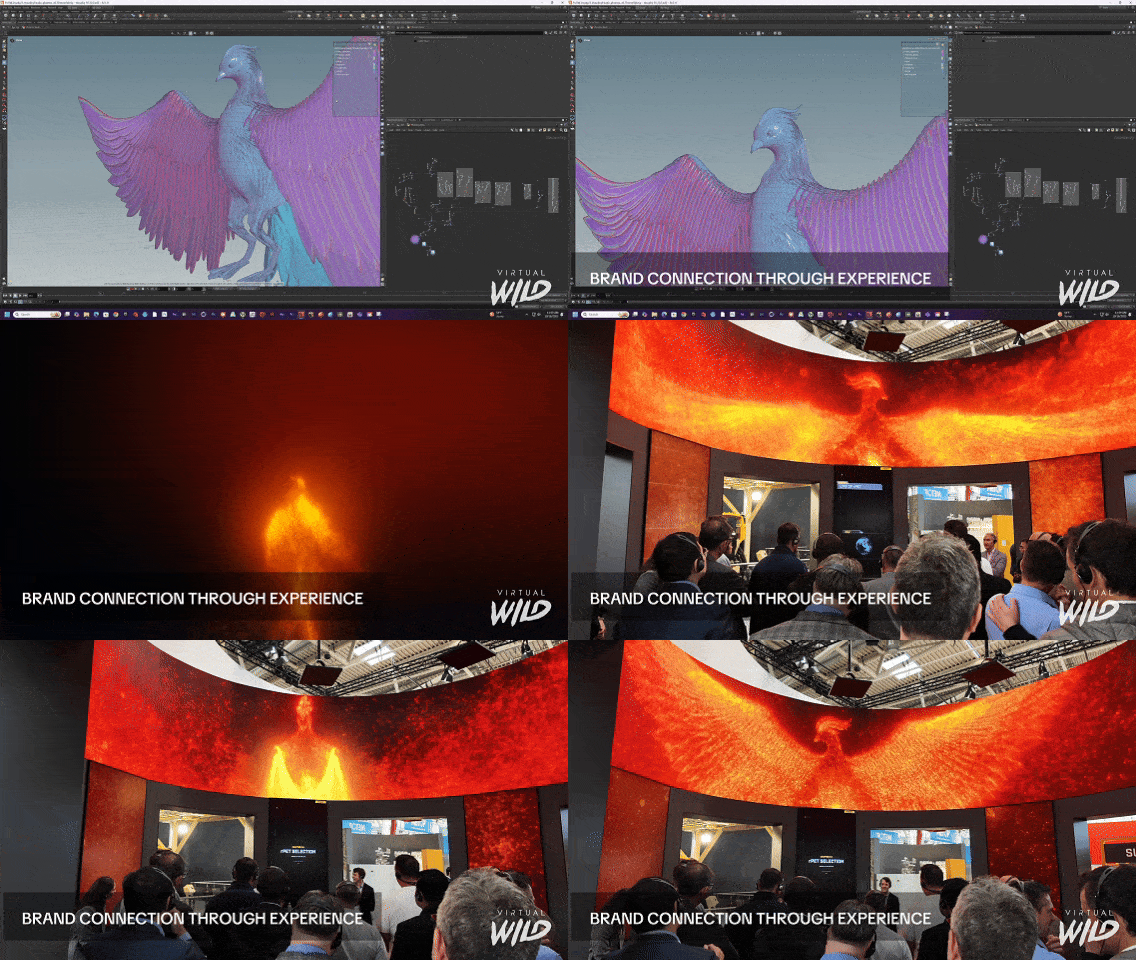
How trade show booths have evolved
1. Traditional booths: static and product-focused
Early trade show booths were simple:
- Tables
- Banners
- Physical product displays
- Sales staff standing with laptops
They were functional, but limited in their ability to engage attendees or explain complex products.
2. Interactive booths: engaging and educational
As competition increased, booths evolved to include:
- Touchscreens
- Digital displays
- Interactive demos
This allowed brands to engage visitors more actively and communicate more information in less time.
3. Immersive booths: experience-driven environments
Today’s most effective booths are immersive environments designed to:
- Tell a story
- Guide the attendee journey
- Create emotional connection
Technologies like VR, AR, and large-scale digital storytelling now allow companies to demonstrate products that would otherwise be impossible to show on the floor .
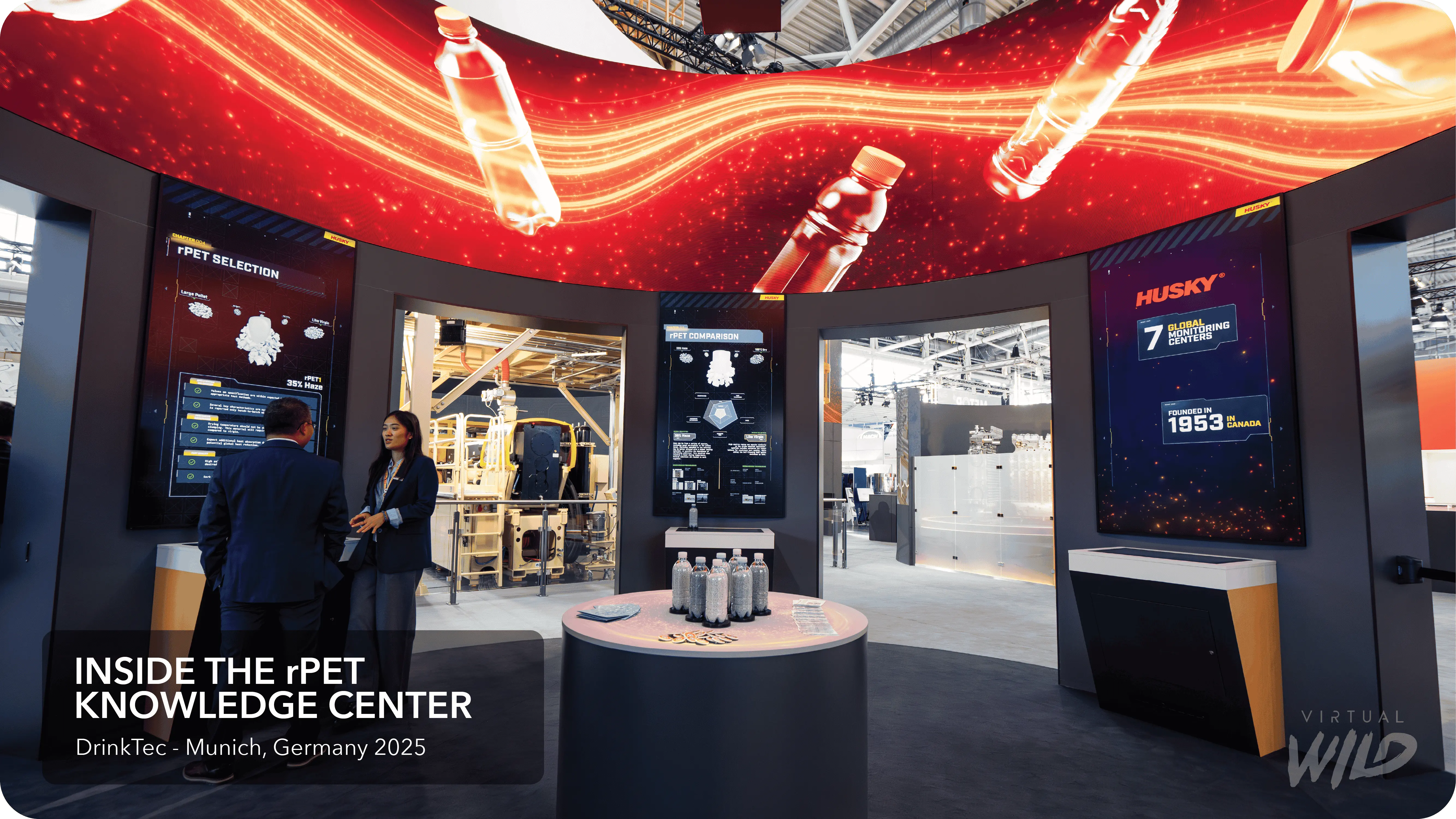
Why storytelling is essential in modern trade shows
Trade show attendees are not just looking at products, they are trying to understand them quickly and deeply.
Storytelling is critical because it:
- Simplifies complex technologies
- Creates emotional connection
- Increases engagement and dwell time
- Helps attendees remember the experience
- Drives more meaningful conversations
Digital storytelling through motion graphics, visualization, and immersive environments has become one of the most effective ways to capture attention and communicate ideas quickly .
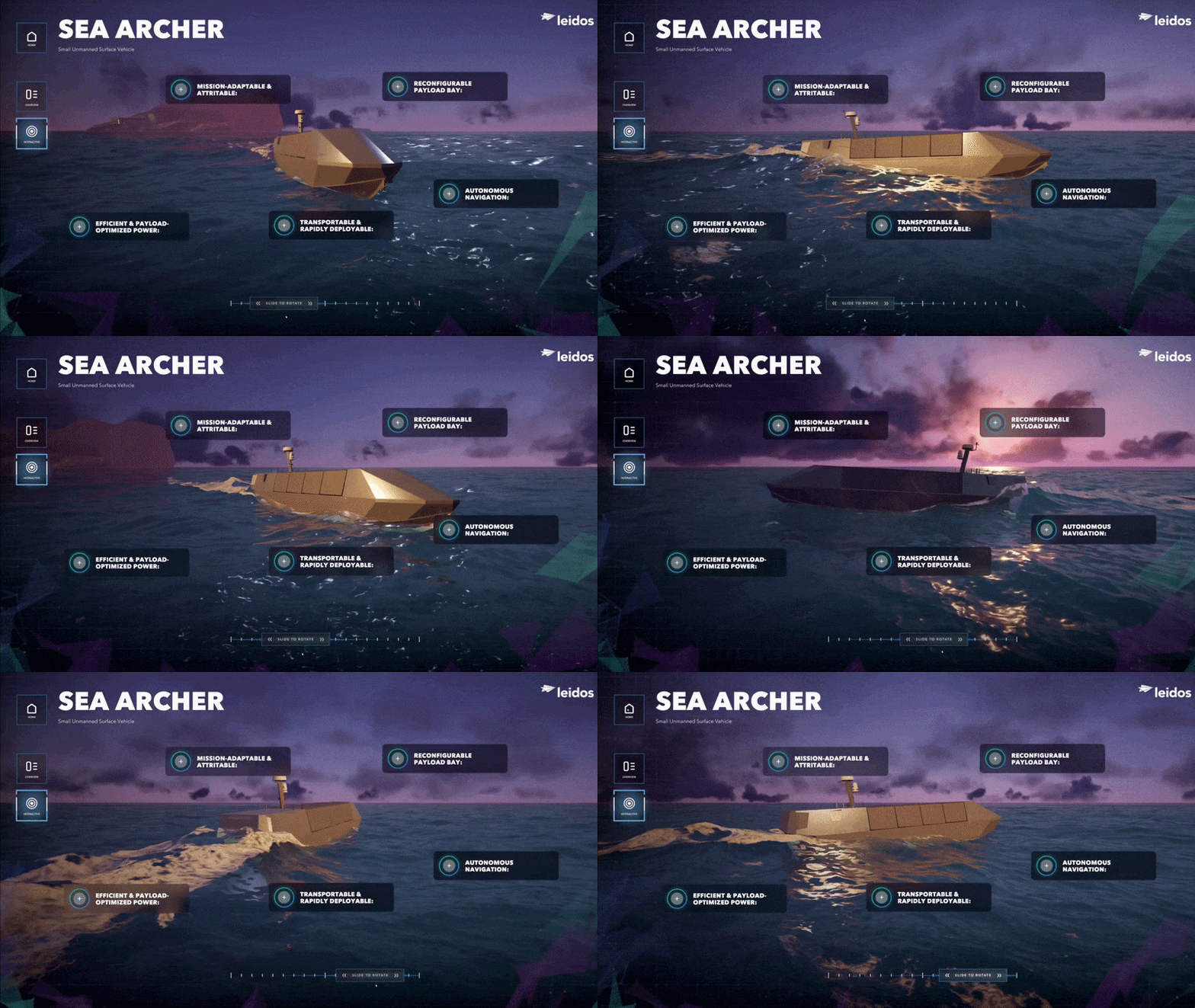
Case Study: Husky Drinktec Experience
View our case study page for more information
Challenge
Husky needed to communicate:
- A complex product ecosystem
- A sustainability story (rPET)
- Value quickly, in a crowded trade show environment
Solution
The Virtual Wild designed an immersive circular theater called the PET Knowledge Center, where:
- Every attendee entered before seeing any product
- The experience focused on “why” before “what”
- Digital storytelling guided the entire booth journey
Results
- Stronger emotional connection with attendees
- Faster understanding of complex systems
- Increased engagement across the booth
The experience contributed to what became one of Husky’s most successful trade shows .
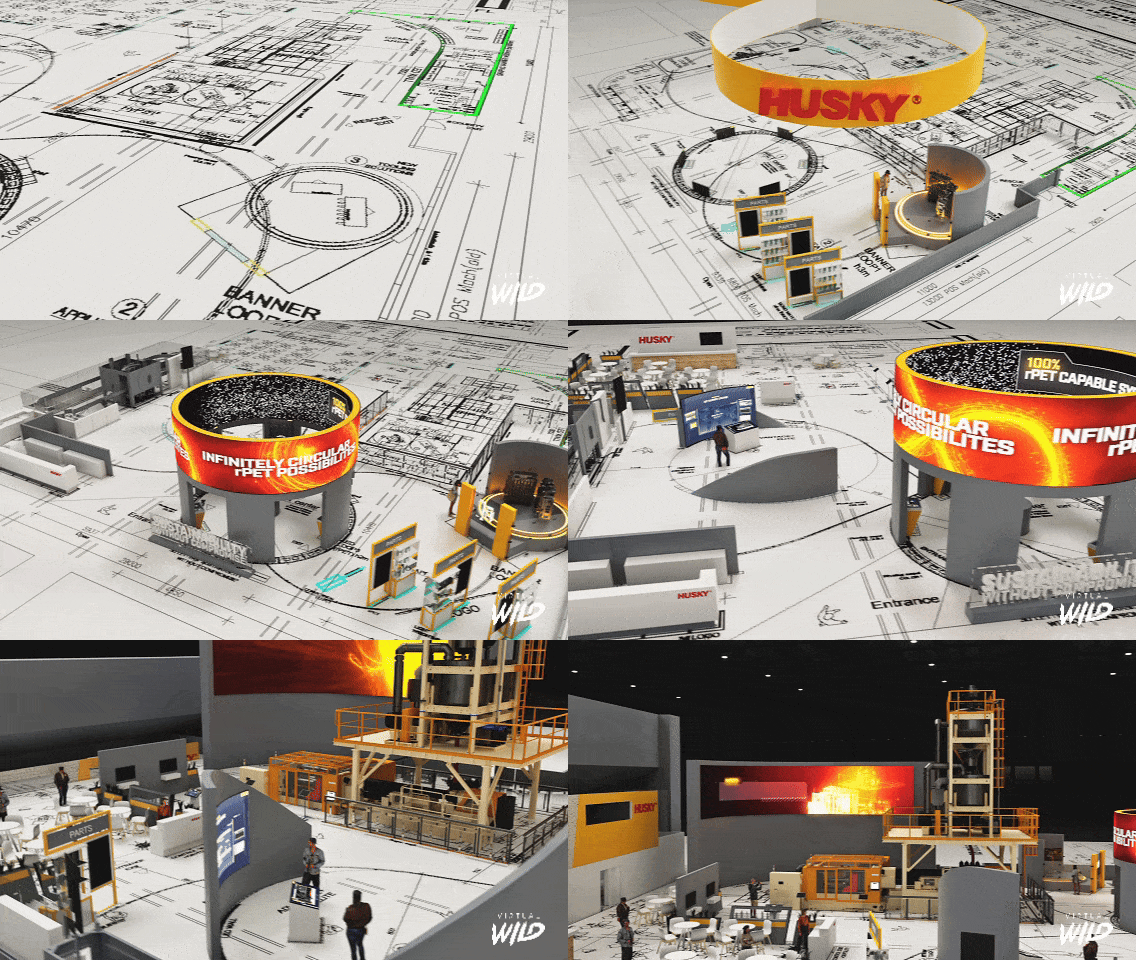
How to design an effective trade show booth
If you’re planning a booth today, focus on these principles:
1. Start with a clear story
Define what you want attendees to understand in under 30 seconds.
2. Use visual communication
Replace text-heavy explanations with:
- Animation
- 3D visualization
- Interactive elements
3. Design the attendee journey
Guide visitors through a sequence:
- Capture attention
- Build understanding
- Enable deeper exploration
4. Make it interactive
Let attendees:
- Explore systems
- Control the experience
- Engage at their own pace
5. Extend beyond the booth
The experience shouldn’t end on the show floor:
- Provide digital content
- Enable follow-up exploration
- Support sales conversations afterward
The future of trade show booths
Trade show booths will continue evolving toward:
- AI-driven personalization
- Data-driven engagement
- Hybrid physical + digital experiences
- Fully immersive environments
As expectations rise, the gap between static booths and experience-driven booths will continue to widen.

About The Virtual Wild
The Virtual Wild specializes in designing immersive digital experiences for industrial companies, helping them communicate complex products through interactive storytelling.
Planning your next exhibit? See how we approach trade show booth design.
Your partner to ignite better experiences.
Ready to elevate your next project? Our team is here to bring your vision to life!